• Search
  • Login or Sign Up

Vince Staples: Norf Norf

Music Videos
3 min

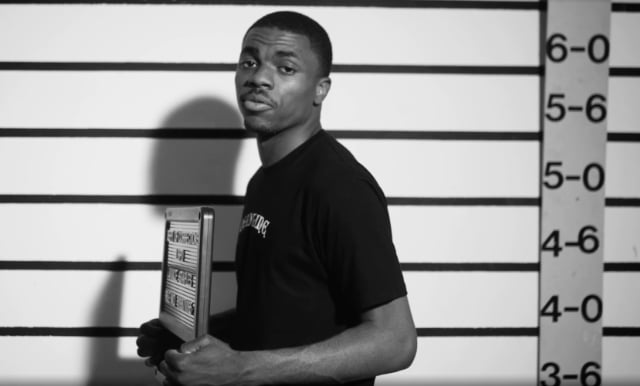
Vince Staples’ outspokenness makes for a musical rebellion. “Norf Norf” opens with haunting production and Vince Staples’ close up grabs the attention of the viewer. In black and white, we watch Vince go through the process of acting out being arrested by Long Beach Police Department. The video is not particularly artsy or dramatic, it shows the menacing plainness of arrest.

Vince’s rapping during these scenes of detainment feel like a confession at times because he’s being held. It’s as if he’s explaining himself to the viewer for his sake and that makes the video all the more interesting. In one scene he repeats the monotone hook, “I ain’t never ran from nothin but the police” while getting roughed up. In the end he settles in his cell staring almost blankly at the camera. The performance of this arrest begs the question why such an act is so normal for black people.

  • William C. Anderson

title
x

Black voices: Black visions

Flyer for event Sudan Archives: Come Meh Way.

Sudan Archives: Come Meh Way

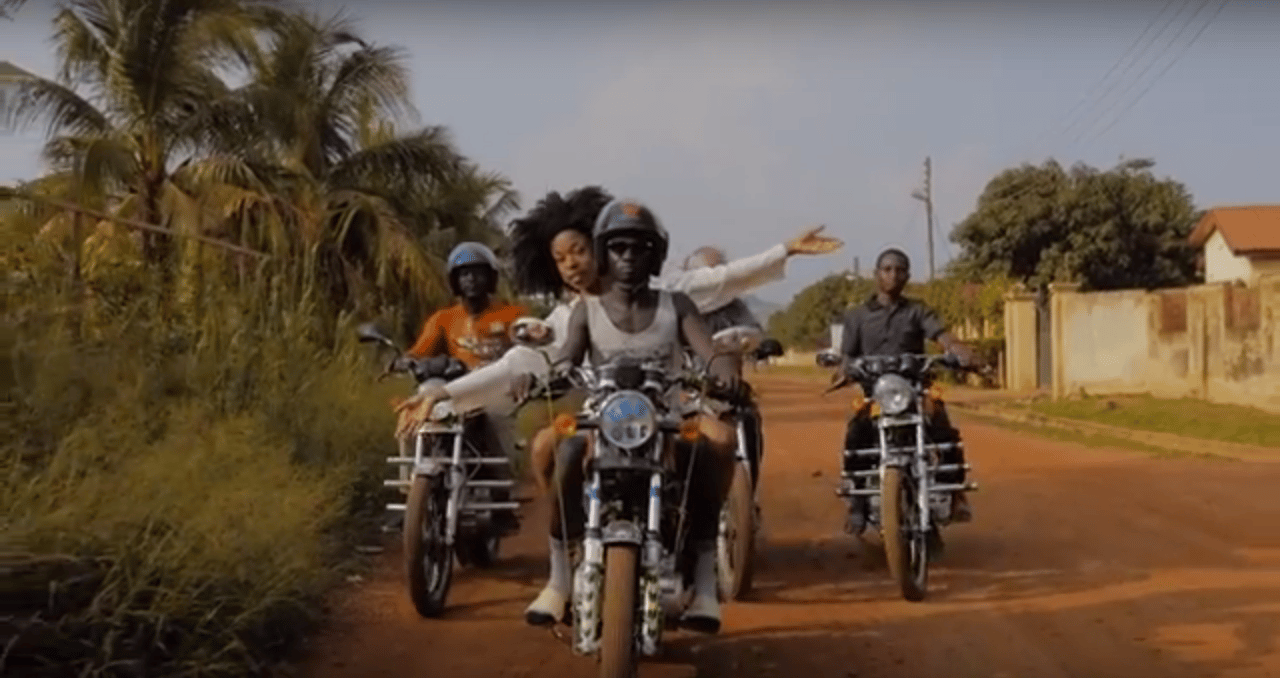
Stones Throw Records artist Sudan Archives makes music that creeps up on you and addictively pulls you in to swim in Black innovation. Her song “Come Meh Way” is full of visuals that will stay in your mind. What’s interesting about this video is if you watch it without knowing much, you might assume Sudan is visiting her home country or extended family abroad. Instead the video, which is directed by Eric Coleman, contains footage from Sudan Archives' first trip out of the country which is only her second time on a plane. It was filmed in Ghana while she was on a trip to teach young students there how to produce and make music. She dances and performs in this video playfully and comfortably while locals either take part in the video or look on curiously. The African diasporic elements of the video stand out without feeling too exotisizing or cheapened, which is something some artists have trouble mastering. Sudan who is self-taught on the violin and has been inspired by Sudanese fiddlers, R&B, and experimental electronic music connects just how close African people around the world are with this beautifully black festive video. William C. Anderson
Flyer for event Shabazz Palaces: Belhaven Meridian.

Shabazz Palaces: Belhaven Meridian

Shabazz Palaces regularly repudiates establishment narratives with Black art. In "Belhaven Meridien," the now famous Kahlil Joseph shot a fantastic short video for the group in one take paying tribute to director Charles Burnett's 1978 L.A. drama “Killer of Sheep.” Burnett’s film centered on Black Americans in Los Angeles' Watts neighborhood. Joseph paid homage with unique angles and almost random non-narrative elements that replicate certain aspects of the film. Two songs are performed in part “A Mess, The Booth Soaks In Palacian Musk,” melts into “Find Out,” before the video ends with a brief intro into “Blastit…” This is a music video masterpiece when it comes to layers, but it falls perfectly in sync with Shabazz’s music which does just the same and often utilizes bridges and non-narrative form. Though the video and the music in it are both very intricate there’s a sly simplicity to their appearance. Cunning words like Shabazz’s vocalist Palaceer Lazaro (formerly Butterfly of Digable Planets) saying “See I'm from up the block, wear my hat with it cocked/ Sometimes I hate my life, wish I ain't love it so much” play with poetics; the video mirrors this. All of this happens in the midst of the great Black casualty of some blocks in Watts. William. C. Anderson
Flyer for event THEESatisfaction: Recognition.

THEESatisfaction: Recognition

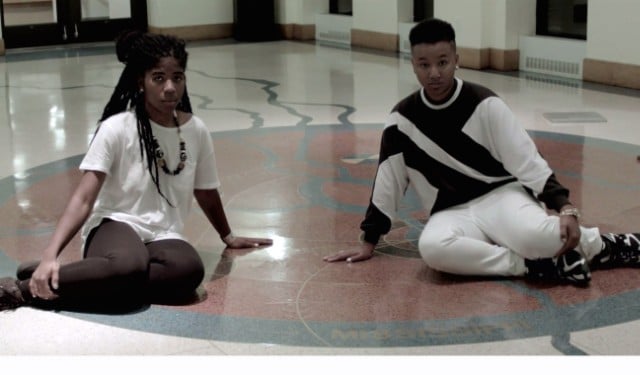
THEESatisfaction purposefully blends several black movements into their music for the culture’s sake. Seattle based duo THEESatisfaction is made up of Stasia "Stas" Irons and singer Catherine "Cat" Harris-White. Their video for “Recognition” is a testament to the importance of honoring and respecting Black art. The video pays homage to countless wonderful artists who appear throughout physically and spiritually. The duo repeats these words, “Your faithfulness, your dedication/ But no work goes without/ Recognition, recognition.” The lead single from their 2015 album EarthEE, “Recognition” is directed by filmmaker and visual artist Tiona McClodden. The video was shot at locations like the National Historical Marian Anderson Residence Museum, Sun Ra’s Arkestra House, John Coltrane House, and the famous Schomburg Center for Research in Black Culture. And if that’s not enough, the appearance of dynamic artists like Tatyana Fazlalizadeh, Texas Isaiah, and Xenobia Bailey packs a powerful punch amid all the transcendental energy. This video is especially queer, non-binary, fluid and more in a way that’s especially liberating. Blackness isn’t a cherry on top, it’s the foundation. William C. Anderson
Flyer for event Vince Staples: Norf Norf.

Vince Staples: Norf Norf

Vince Staples’ outspokenness makes for a musical rebellion. “Norf Norf” opens with haunting production and Vince Staples’ close up grabs the attention of the viewer. In black and white, we watch Vince go through the process of acting out being arrested by Long Beach Police Department. The video is not particularly artsy or dramatic, it shows the menacing plainness of arrest. Vince’s rapping during these scenes of detainment feel like a confession at times because he’s being held. It’s as if he’s explaining himself to the viewer for his sake and that makes the video all the more interesting. In one scene he repeats the monotone hook, “I ain’t never ran from nothin but the police” while getting roughed up. In the end he settles in his cell staring almost blankly at the camera. The performance of this arrest begs the question why such an act is so normal for black people. William C. Anderson
Flyer for event Moses Sumney: Quarrel.

Moses Sumney: Quarrel

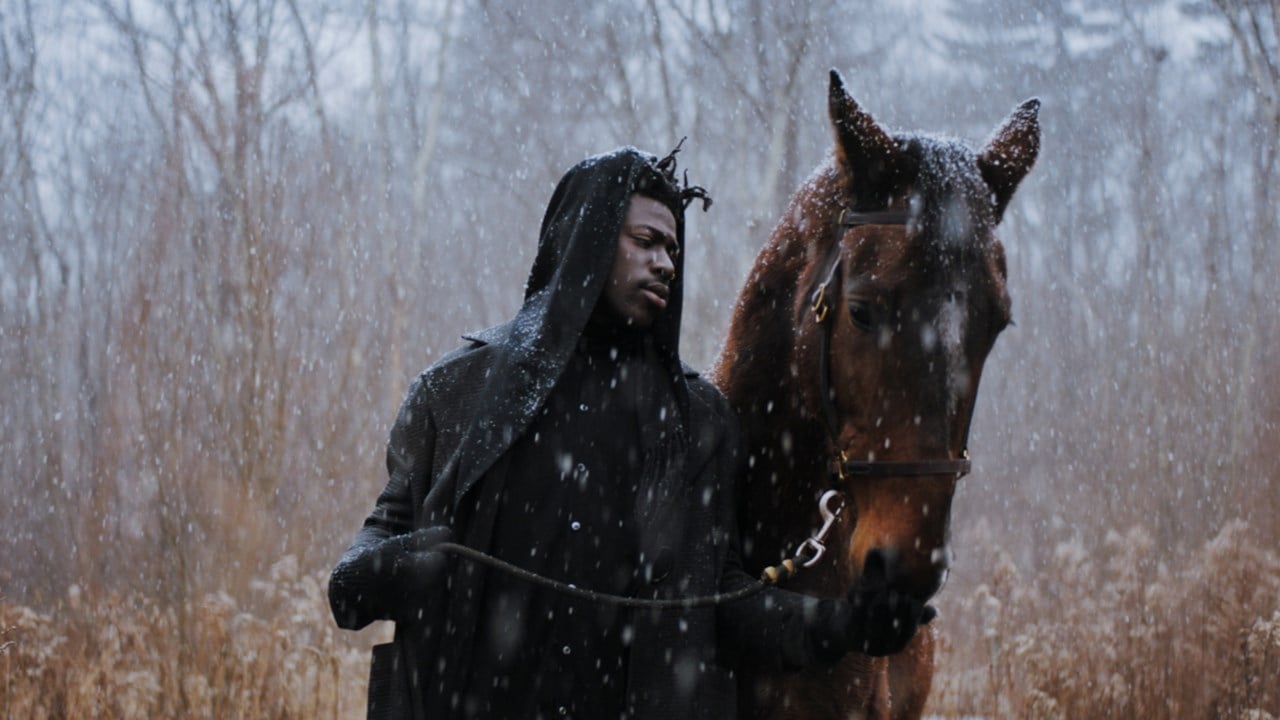
Moses Sumney’s “Quarrel” exposes inequity at untruth’s expense and it’s one of the most magnificent songs on his stunning debut album “Aromanticism.” This video sets the bar very high with near flawless effort to make the perfect composition. While Sumney sings about the political nature of unequal relationships and power dynamics, this comes to life in the form of his human interaction with horses in the video. The way the horses are filmed is almost surreal because the shots are so stunning the horses almost communicate awkwardness and discomfort without actually doing anything or visibly expressing these emotions. Moses takes the horses for granted and gleefully does as he pleases in the video. Eventually a horse walks in on him with the jarring piece of art ‘No Life Lost II’ by Berlinde De Bruyckere, which depicts three stacked horses lifelessly subdued in a vitrine. The art piece comes to life for the video’s sake as an act of violence and betrayal. The horse flees and Moses ends up on a gallows of sorts hung by the several horses seemingly getting what he deserves, crying. Horses are an animal that humans assume so much about regarding their loyalty, friendship, and satisfaction with being tamed. The depth of that in this video is especially stunning for a black artist like Sumney who has mentioned the political nature of this song and how it’s informed by oppressive systems. William C. Anderson
Flyer for event India.Arie: Brown Skin.

India.Arie: Brown Skin

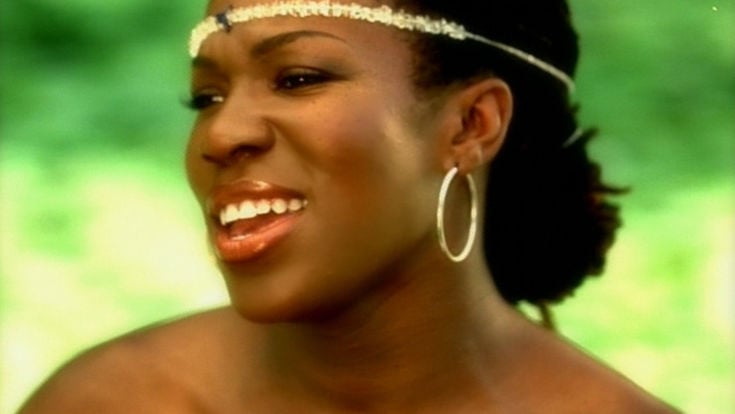
India.Arie’s song “Brown Skin” is a neo-soul classic that pushes back against white standards of beauty. The visuals for the video are all types of different black people enjoying themselves and living life. This sort of visual wasn’t necessarily rare for the time that this song came out, but it highlights a very dominant theme in R&B music from this era. The appreciation of Blackness came up in India.Arie’s contemporary’s music too. If you were to watch a Jill Scott, Erykah Badu, Jaguar Wright, or Angie Stone video from the time similar scenes can be found. The empowerment here is in the fact that the song is explicitly naming brown skin as something glorious and beautiful. The wide range of different black skin tones act in harmony throughout the video and India.Arie’s beauty as a dark-skinned black woman is centered. These sort of efforts are still crucial today with regard to visual representations of blackness and this video was shot almost 20 years ago. William C. Anderson
Flyer for event The Coup: Dig It.

The Coup: Dig It

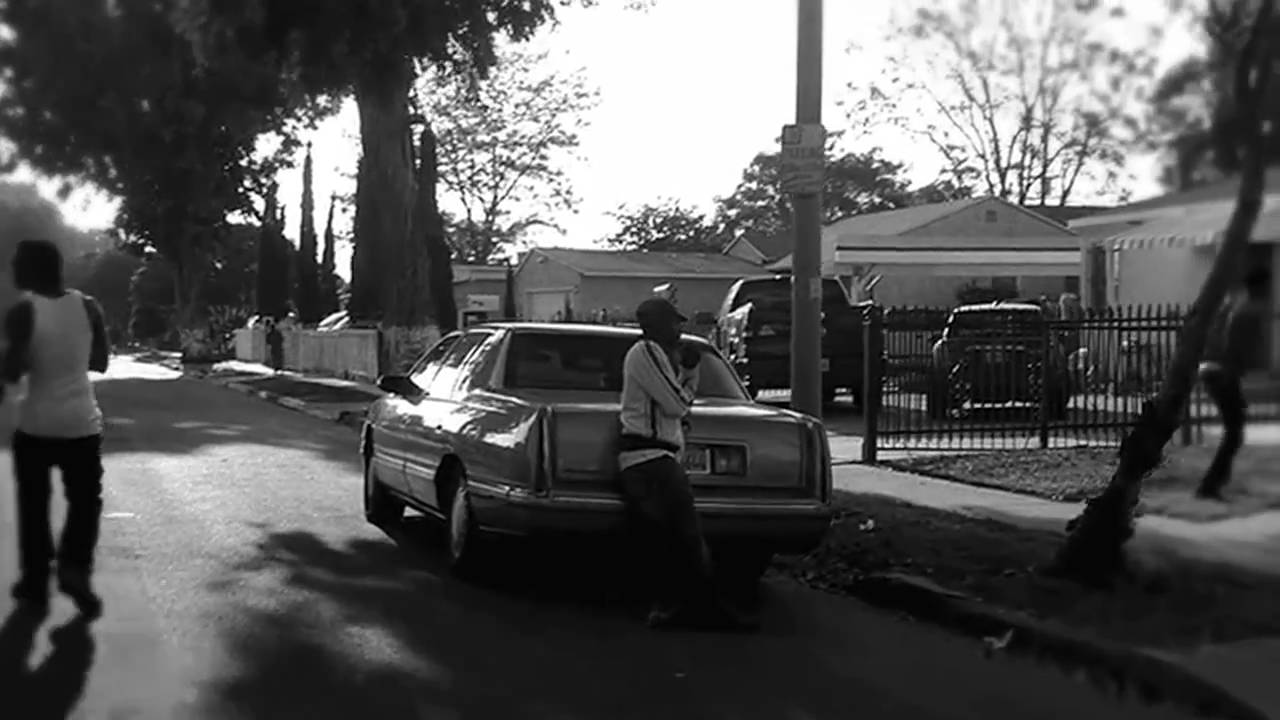
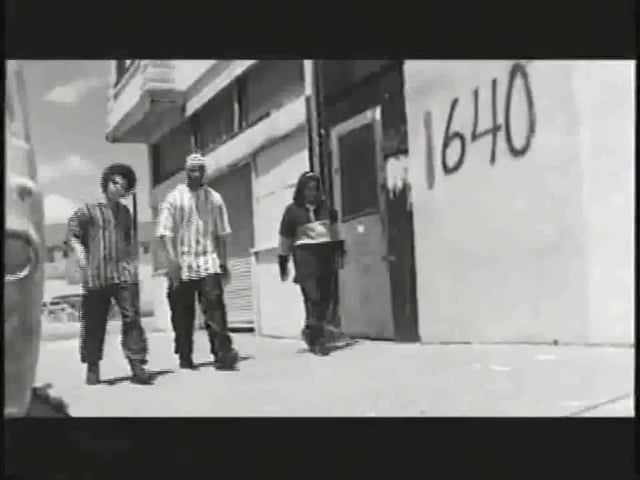
The Coup’s “Dig It” may come as a surprise to some, but most hip hop heads know the group’s knowledge of black politics, history, and theory exceeds most. Boots Riley uses pointed references to make complex rhymes flow with ease. Che Guevara, Mao Tse Tung, and Kwame Nkrumah make appearances in Boots’ rhyme scheme before the first verse as even ended. In the video Boots, former member E-Roc, and the late Pam The Funktress (RIP) stroll around Oakland in a casual black and white video format. Were it not for the groups charisma, the simplicity of the video would almost clash with the depth of the lyricism. “I’m spitting dialectical analysis,” Boots says sticking his head out of a bus window before going on to mention, “Knew that I was doomed since my date of birth/ To be the wretched of the earth; never had a dream that was American.” His reference to Frantz Fanon’s book The Wretched of the Earth supplements the images of local Black people around Oakland being shown in black and white throughout the video. In this way seeing things in black and white here is more than just aesthetics; it’s subversive black resistance. William C. Anderson
Flyer for event Blood Orange: Sandra's Smile.

Blood Orange: Sandra's Smile

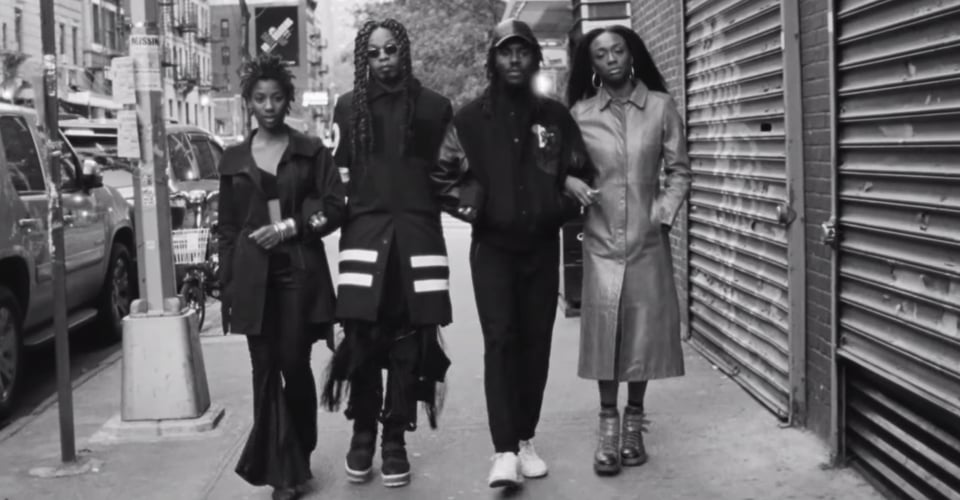
Devonté Hynes directed and edited the video for “Sandra’s Smile,” a beautiful offering for a tragic loss. The song under Hynes’ moniker of Blood Orange is a musical memorial for Sandra Bland who ended up dead in police custody in Hempstead, Texas. The opening scene in the video, Hynes and three others (Junglepussy, Ian Isiah & Michelle) dance on a street corner as the addictive kick drum that makes the production so catchy thumps. Throughout the video dancers from New York City’s Waffle Crew collective dance in multiple scenes. The beautifully sentimental lyrics of the song partner with the a celebration of Black beauty in these moments to form a protest and a praiseful art piece. “You watched her pass away, the words she said weren’t faint/ Closed our eyes for a while, but I still see Sandra’s smile,” Devonté sings. Between the notes a closeness occurs that feels almost like this song beckons the spirit of Sandra. William C. Anderson
Flyer for event Plies: 100 Years.

Plies: 100 Years

“100 years” is the second song on Plies debut album “The Real Testament” and it’s a uncompromising objection to injustice. The decision to shoot a video for this song and release it was clearly a political statement when you compare it with the mainstream singles from the album, “Shawty” and “Hypnotized.” In the video Plies raps from the judges’ seat, at one point even consoling a mother, in a courtroom and convicts the U.S. “justice system” on charges of injustice. Though Plies is much more well known for his music tailored to the club and the radio, this song shows his thorough knowledge of how criminality is associated with Blackness and punished disproportionately in the courtroom. In a matter of minutes, he mentions a number of issues around the racism Black people experience every day that’s regular to the system. Mandatory minimums, unfair sentencing, conspiracy charges, corrupt district attorneys, and the deals behind closed doors all make appearances in Plies’ lyrics. Mass incarceration has only more visible in the media over time and Plies’ contribution in his arena shouldn’t be overlooked. William C. Anderson
title
x
title
x
title
x
title
x

title
x
title
x
title
x
title
x
title
x

title
x
title
x
title
x
title
x
title
x

title
x
title
x
title
x
title
x
title
x
title
x
title
x
title
x
title
x

title
x
title
x
title
x
title
x
title
x

title
x
title
x
title
x
title
x
title
x

title
x
title
x
title
x
title
x
title
x

title
x
title
x
title
x
title
x
title
x

title
x
title
x
title
x
title
x
title
x

title
x
title
x
title
x
title
x
title
x

title
x
title
x
title
x
title
x
title
x

Boiler Room

  • About
  • Editorial
  • SoundCloud
  • Instagram
  • YouTube
  • TikTok
  • Facebook
  • Apple Music

Projects

  • Broadcast Lab
  • Energy

Information

  • Brand Partnerships
  • Accessibility
  • Support
  • Careers
  • Privacy Notice
  • Cookie Notice
  • Website Terms Of Use
  • Open Dance Floor Policy
  • Purchase Terms & Conditions

title
x
title
x
title
x
title
x
title
x

title
x
title
x
title
x
title
x
title
x

title
x
title
x
title
x
title
x
title
x

title
x
title
x
title
x
title
x
title
x

Subscribe to our newsletter for updates on film screenings and residencies.

You can opt out anytime. We will treat your information with respect. For more information about our privacy practices please read Boiler Room's Privacy Notice. By clicking above, you agree that we may process your information in accordance with these terms.

Boiler Room

  • About
  • Editorial
  • SoundCloud
  • Instagram
  • YouTube
  • TikTok
  • Facebook
  • Apple Music

Projects

  • Broadcast Lab
  • Energy

Information

  • Brand Partnerships
  • Accessibility
  • Support
  • Careers
  • Privacy Notice
  • Cookie Notice
  • Website Terms Of Use
  • Open Dance Floor Policy
  • Purchase Terms & Conditions
© 2026 BOILER ROOM
© 2026 BOILER ROOM

Subscribe to our newsletter for updates on film screenings and residencies.

You can opt out anytime. We will treat your information with respect. For more information about our privacy practices please read Boiler Room's Privacy Notice. By clicking above, you agree that we may process your information in accordance with these terms.

Boiler Room

  • About
  • Editorial
  • SoundCloud
  • Instagram
  • YouTube
  • TikTok
  • Facebook
  • Apple Music