• Search
  • Login or Sign Up

“Rave”

Short Films
1996
0 min

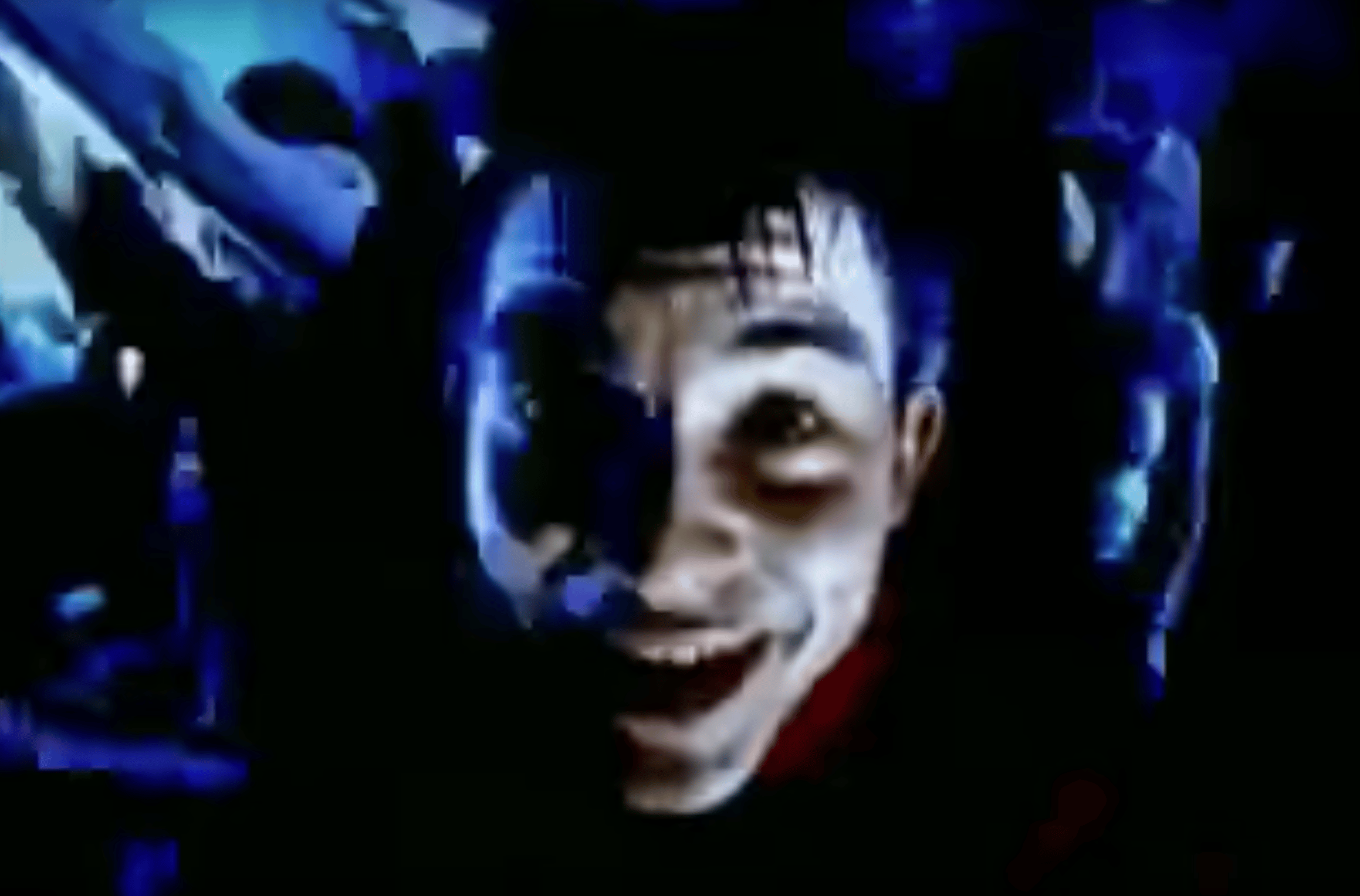
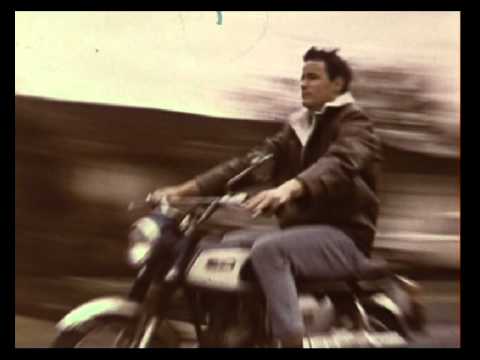
A shrewd and well-executed burst of anti-Ecstasy propaganda, this 30-second clip works by sowing doubt about the integrity of the product and the person selling it. The Ecky-peddling scoundrel does seem eminently untrustworthy, boasting off offloading aspirins and dog-worming tablets onto his gullible punters. “You’d be off your head to trust a dealer” is a sharp, memorable slogan that may well have caused a few people to pause for thought before shelling out for pills of uncertain composition. Produced by Scotland Against Drugs, whose other ads of this era - the brilliantly animated grotesquerie of “Lad’s Night Out,” the unsettling “Photograph” - are well worth checking out on YouTube.

  • Simon Reynolds

title
x
title
x
title
x
title
x
title
x

title
x
title
x
title
x
title
x

title
x
title
x
title
x
title
x

title
x
title
x
title
x
title
x

title
x
title
x
title
x
title
x

title
x
title
x
title
x
title
x

title
x
title
x
title
x
title
x

title
x
title
x
title
x
title
x

Boiler Room

  • About
  • Editorial
  • SoundCloud
  • Instagram
  • YouTube
  • TikTok
  • Facebook
  • Apple Music

Projects

  • Broadcast Lab
  • Energy

Information

  • Brand Partnerships
  • Accessibility
  • Support
  • Careers
  • Privacy Notice
  • Cookie Notice
  • Website Terms Of Use
  • Open Dance Floor Policy

“Rave”

Short Films
1996
0 min

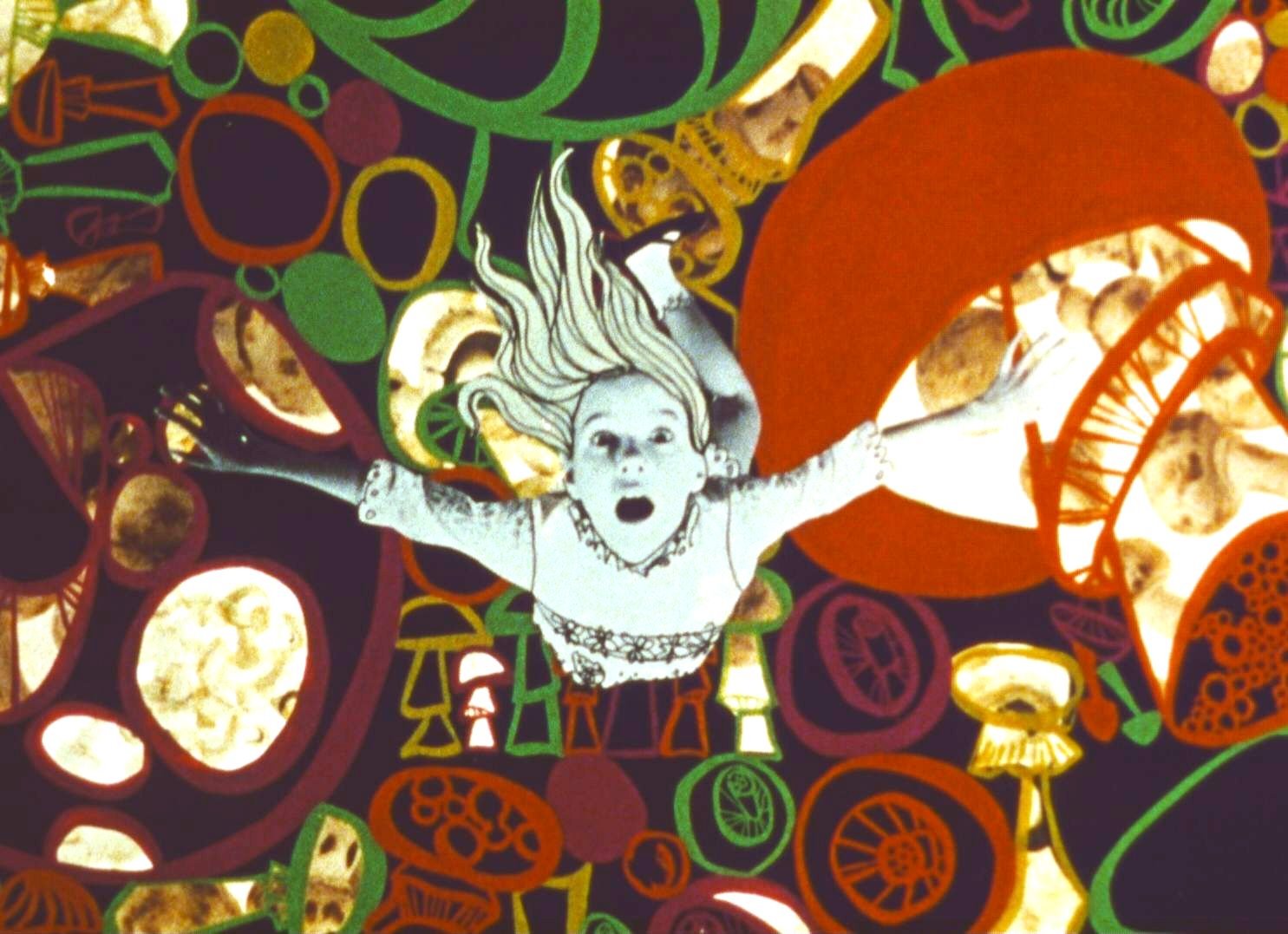
A shrewd and well-executed burst of anti-Ecstasy propaganda, this 30-second clip works by sowing doubt about the integrity of the product and the person selling it. The Ecky-peddling scoundrel does seem eminently untrustworthy, boasting off offloading aspirins and dog-worming tablets onto his gullible punters. “You’d be off your head to trust a dealer” is a sharp, memorable slogan that may well have caused a few people to pause for thought before shelling out for pills of uncertain composition. Produced by Scotland Against Drugs, whose other ads of this era - the brilliantly animated grotesquerie of “Lad’s Night Out,” the unsettling “Photograph” - are well worth checking out on YouTube.
  • Simon Reynolds

title
x
title
x
title
x
title
x
title
x

title
x
title
x
title
x
title
x

title
x
title
x
title
x
title
x

title
x
title
x
title
x
title
x

title
x
title
x
title
x
title
x

title
x
title
x
title
x
title
x

title
x
title
x
title
x
title
x

title
x
title
x
title
x
title
x

Boiler Room

  • About
  • Editorial
  • SoundCloud
  • Instagram
  • YouTube
  • TikTok
  • Facebook
  • Apple Music

Projects

  • Broadcast Lab
  • Energy

Information

  • Brand Partnerships
  • Accessibility
  • Support
  • Careers
  • Privacy Notice
  • Cookie Notice
  • Website Terms Of Use
  • Open Dance Floor Policy

Anti-Drug Films

Flyer for event The Maggot.

The Maggot

A cartoon counterpart to Curtis Mayfield’s “Pusherman”, “The Maggot” is an elegantly designed slice of anti-drug propaganda aimed at black youth in the inner cities of America. The symbolism is a tad heavy-handed - dealers are depicted as vultures, drugs as serpents that morph into the chains of a new slavery – but the message comes across loud and clear: the gangs supplying the ghetto with chemical oblivion form a counter-revolutionary element who should and will – it’s implied - be met with vigilante retribution. Oscillating smoothly between a hyper-real airbrushed look and stark silhouettes, “The Maggot” was a collaboration between director George Dunning and Topper Carew, a musician who came up with the concept and supplied the Last Poets-style percussive soundtrack. The involvement of Dunning is faintly ironic given that his most famous project – The Beatles-based movie-length animation Yellow Submarine – may well be the greatest advertisement for psychedelics to ever reach pre-teen eyes. Simon Reynolds
Flyer for event Curious Alice.

Curious Alice

Jefferson Airplane, the leading band of San Francisco’ s acid-rock scene, recruited Lewis Carroll’s fantastical Alice stories to the psychedelic cause on their 1967 smash single “White Rabbit”. Singer Grace Slick beseeches curious-minded youth to “remember what the dormouse said / feed your head!” and dive deep into a hallucinatory world where “logic and proportion have fallen sloppy dead”. Released the following year, “Curious Alice” reversed the Airplane’s gambit and turned Alice’s Adventures In Wonderland into a cautionary tale. Alice fends off a bong-puffing caterpillar, a pep-pill-popping March Hare, a drowsy dormouse zonked on downers, and a Mad Hatter proffering a sugar cube laced with LSD. But the film may well have subverted its own deterrent intent, so enchanting and seductive is its unusual animation style, which blends stop-motion (still photos of facial expressions from a real girl) and drawn-and-painted imagery (Alice’s clothes and hair and body, backdrops, and the other characters). It’s easy to imagine that some kids who saw it may have connected it to already pretty trippy and surreal children’s entertainments of the era (like The Phantom Tollbooth, or Bedknobs and Broomsticks), and come away with the impression that these naughty highs had something going for them. (The film was apparently distributed to schools in the early Seventies complete with a colouring book and a comprehension test to see how much the kids had learned). Beyond the fact that it was commissioned by the Mental Health Administration of the U.S. Department of Health, Education and Welfare, and produced by a Washington, D.C.-based company called Design Center Inc., there’s scant information out there about who scripted or designed “Curious Alice”, nor indeed about who created its wonderfully dinky electronic soundtrack. Incidentally, the Alice in Dangerland concept was reprised by another late Sixties anti-drug film worth checking out: Alice in Acidland (1969), a campy slice of psychedelic cheesecake whose gratuitous nudity is barely veiled by its overt moralising message. Simon Reynolds
Flyer for event Illusions (A Film on Solvent Abuse).

Illusions (A Film on Solvent Abuse)

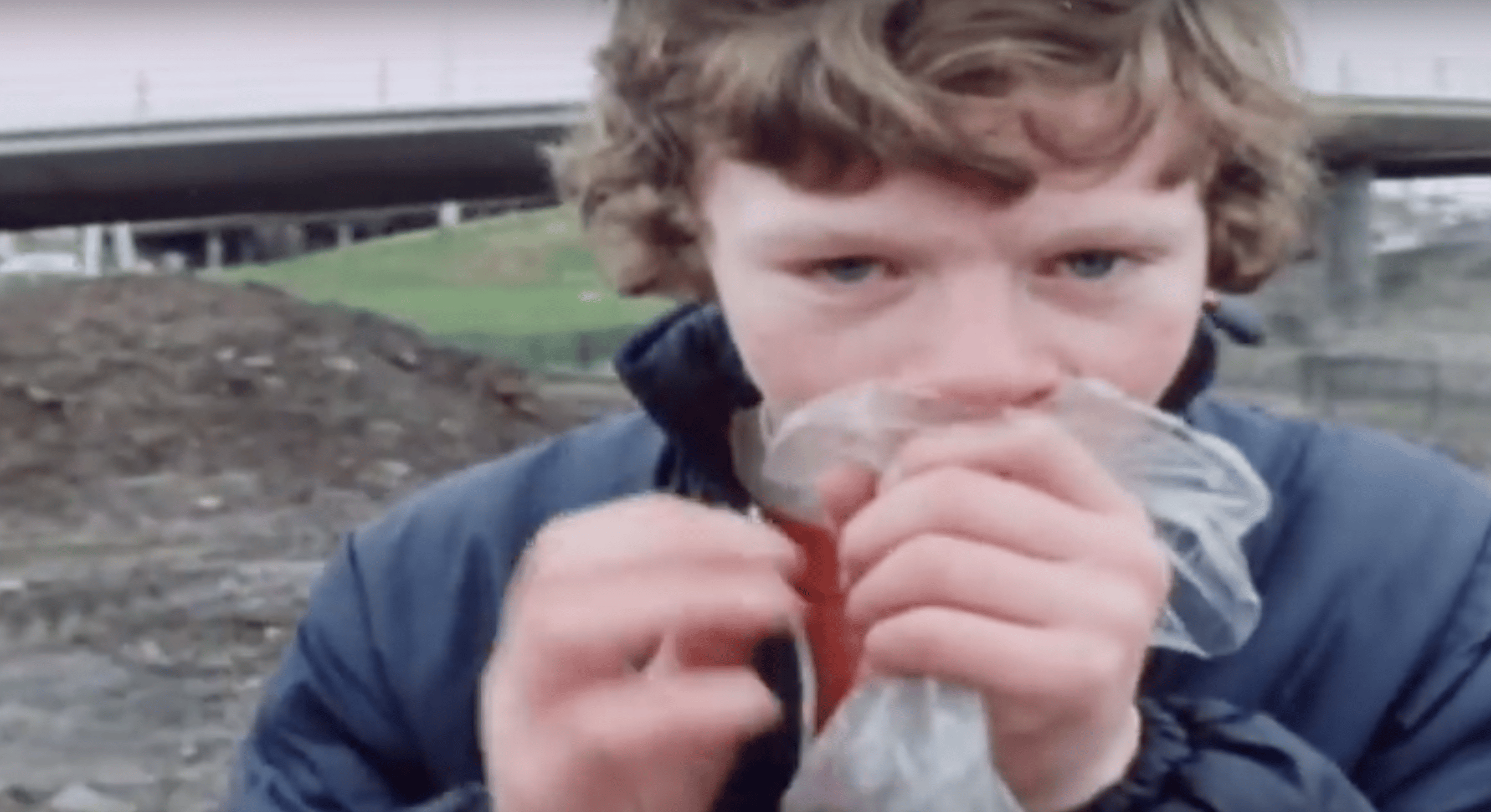
The Public Information Film - or PIF as connoisseurs like to abbreviate it - is a particular fetish of the musical genre known as hauntology (think labels like Ghost Box, artists like Moon Wiring Club and Pye Audio Corner). Particularly in its U.K. manifestations, the PIF activates the memory’s equivalent to erogenous zones (elegiac zones?). A typical example – e.g. “Lonely Water,” a baleful warning about the dangers to kids posed by stagnant ponds and deceptively deep streams, with Donald Pleasence speaking the voice-over as “the spirit of dark and lonely water” - blends Hammer House of Horror and the pedagogic aura of educational films. The creaky low-budget production values, the vintage aura of ageing film stock, and the queasy-listening melancholia of the library music scores, all create a powerful sensation of time travel – at least for those who remember them from their 1970s or 1980s childhoods. In 2010, the BFI invited leading hauntologists Mordant Music to rescore a bunch of PIFs from the archives of the Central Office of Information. “Illusions”, the highlight of the resulting MisInformation DVD, must have already been a pretty disquieting film even before Mordant wrapped its uniquely musty sound around the scenes of solvent-abusing kids skulking around abandoned lots and dismal patches of urban greenery. But combined with Mordant’s dank ambient vapors and shivers of reverb, the images of spotty, zombie-eyed boys huffing fixatedly from plastic baggies full of waxy-yellow glue linger long in the mind. Simon Reynolds
Flyer for event The Science of Drugs.

The Science of Drugs

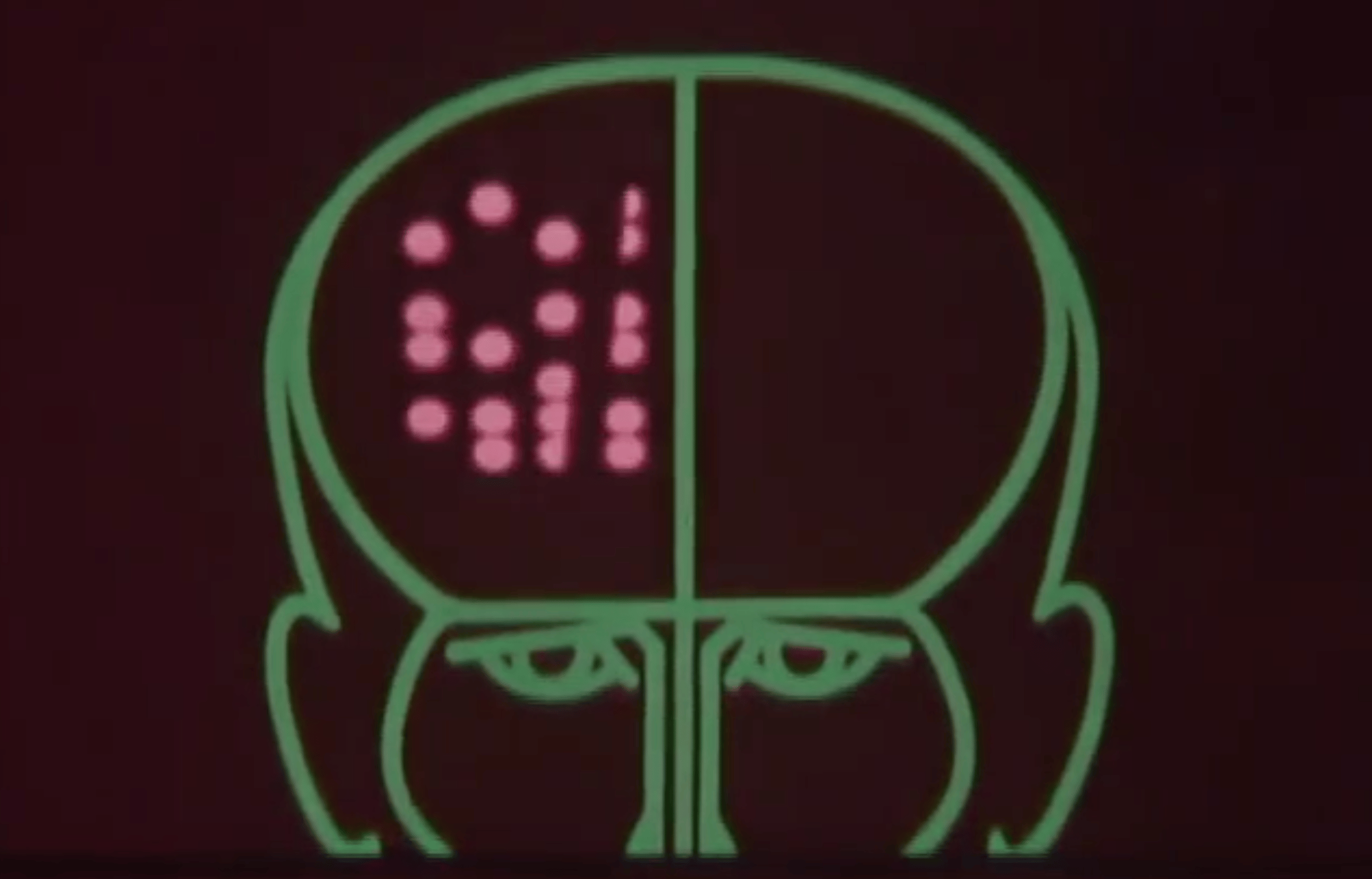
There’s next to no information about this snippet from an unknown longer film, which was discovered and circulated by the excellent film-arcana tumblr I•HATE•THIS•FILM. Its luridly coloured diagrams of microscopic areas of the brain interacting with f illegal substances virtually belong in the “visual music” subgenre of abstract animation. The soundtrack is as electronic as the imagery is literally electric: we seem to both hear and see the fizzing of chemical transmitters triggering receptors in the brain and making synapses fire in unnaturally intense or prolonged ways. Also circulated by I•HATE•THIS•FILM. , a companion snippet titled “A History of Drugs” offers similarly tripped-out imagery and sounds, but is also highly informative. A narrator’s voice, whose neutral technocratic tones resemble HAL from 2001, A Space Odyssey, reveals that opium was used to calm crying babies in Ancient Egypt and created so many junkies during the American Civil War that addiction was called “the soldier’s illness.” Legal highs like alcohol and nicotine are not given a free pass, though, and we learn that Americans back then smoked an astonishing 500 billion cigarettes a year. The downsides of drug dependency and abuse are brought home vividly with geometric animations illustrating the convulsions that afflict hardcore speed-freaks and the delusions that can befuddle some users of psychedelics. Simon Reynolds
Flyer for event Case Study: Amphetamines.

Case Study: Amphetamines

This film focuses on a strung-out youth who started popping peg pills aged 17, after his mom - worried he was overweight - sent him to the doctor for chemical help to shed the flab. Three years later, the boy has burned off 42 pounds of fat and flesh and spiralled into crystal meth addiction. On the plus side, he reveals, speed makes you talkative and confident, which means more dates. On the minus, you could find yourself staying up for six days-and-nights straight, and in your fidgety state you might caught up in the syndrome that pharmacologists term “punding”: repetitive and obsessive-compulsive actions. In this hapless lad’s case, he would start “repairing” a wireless and end up several hours later sitting amid the ruins of three dismantled radios. This film was made by Lockheed Aircraft Corporation, for reasons unknown - were too many of their engineers getting wired and over-tired on the job, resulting in faulty jet engines and dodgy navigational systems? Simon Reynolds
Flyer for event This is Your Brain... This Is Drugs... This is Your Brain on Drugs.

This is Your Brain... This Is Drugs... This is Your Brain on Drugs

America’s equally iconic equivalent to the “Heroin screws you up” ad campaign, this cautionary short features terse words of warning from a man who has something of the obnoxious air of a hard-ass sports coach or stern teacher. Also known as “Frying Pan”, the clip was commissioned at the height of Nancy Reagan’s “Just Say No” fever by the Partnership for a Drug Free America and conceived by a team from the LA agency Keye / Donna /Pearlstein. It’s considered one of the best advertisements of all time, but it upset the American Egg Board, who felt that it might turn kids off their products far more than turn them away from illegal substances. Simon Reynolds
Flyer for event “Rave”.

“Rave”

A shrewd and well-executed burst of anti-Ecstasy propaganda, this 30-second clip works by sowing doubt about the integrity of the product and the person selling it. The Ecky-peddling scoundrel does seem eminently untrustworthy, boasting off offloading aspirins and dog-worming tablets onto his gullible punters. “You’d be off your head to trust a dealer” is a sharp, memorable slogan that may well have caused a few people to pause for thought before shelling out for pills of uncertain composition. Produced by Scotland Against Drugs, whose other ads of this era - the brilliantly animated grotesquerie of “Lad’s Night Out,” the unsettling “Photograph” - are well worth checking out on YouTube. Simon Reynolds
Jefferson Airplane, the leading band of San Francisco’ s acid-rock scene, recruited Lewis Carroll’s fantastical Alice stories to the psychedelic cause on their 1967 smash single “White Rabbit”. Singer Grace Slick beseeches curious-minded youth to “remember what the dormouse said / feed your head!” and dive deep into a hallucinatory world where “logic and proportion have fallen sloppy dead”. Released the following year, “Curious Alice” reversed the Airplane’s gambit and turned Alice’s Adventures In Wonderland into a cautionary tale. Alice fends off a bong-puffing caterpillar, a pep-pill-popping March Hare, a drowsy dormouse zonked on downers, and a Mad Hatter proffering a sugar cube laced with LSD. But the film may well have subverted its own deterrent intent, so enchanting and seductive is its unusual animation style, which blends stop-motion (still photos of facial expressions from a real girl) and drawn-and-painted imagery (Alice’s clothes and hair and body, backdrops, and the other characters). It’s easy to imagine that some kids who saw it may have connected it to already pretty trippy and surreal children’s entertainments of the era (like The Phantom Tollbooth, or Bedknobs and Broomsticks), and come away with the impression that these naughty highs had something going for them. (The film was apparently distributed to schools in the early Seventies complete with a colouring book and a comprehension test to see how much the kids had learned). Beyond the fact that it was commissioned by the Mental Health Administration of the U.S. Department of Health, Education and Welfare, and produced by a Washington, D.C.-based company called Design Center Inc., there’s scant information out there about who scripted or designed “Curious Alice”, nor indeed about who created its wonderfully dinky electronic soundtrack. Incidentally, the Alice in Dangerland concept was reprised by another late Sixties anti-drug film worth checking out: Alice in Acidland (1969), a campy slice of psychedelic cheesecake whose gratuitous nudity is barely veiled by its overt moralising message. Simon Reynolds
Flyer for event Illusions (A Film on Solvent Abuse).

Illusions (A Film on Solvent Abuse)

The Public Information Film - or PIF as connoisseurs like to abbreviate it - is a particular fetish of the musical genre known as hauntology (think labels like Ghost Box, artists like Moon Wiring Club and Pye Audio Corner). Particularly in its U.K. manifestations, the PIF activates the memory’s equivalent to erogenous zones (elegiac zones?). A typical example – e.g. “Lonely Water,” a baleful warning about the dangers to kids posed by stagnant ponds and deceptively deep streams, with Donald Pleasence speaking the voice-over as “the spirit of dark and lonely water” - blends Hammer House of Horror and the pedagogic aura of educational films. The creaky low-budget production values, the vintage aura of ageing film stock, and the queasy-listening melancholia of the library music scores, all create a powerful sensation of time travel – at least for those who remember them from their 1970s or 1980s childhoods. In 2010, the BFI invited leading hauntologists Mordant Music to rescore a bunch of PIFs from the archives of the Central Office of Information. “Illusions”, the highlight of the resulting MisInformation DVD, must have already been a pretty disquieting film even before Mordant wrapped its uniquely musty sound around the scenes of solvent-abusing kids skulking around abandoned lots and dismal patches of urban greenery. But combined with Mordant’s dank ambient vapors and shivers of reverb, the images of spotty, zombie-eyed boys huffing fixatedly from plastic baggies full of waxy-yellow glue linger long in the mind. Simon Reynolds
Flyer for event The Science of Drugs.

The Science of Drugs

There’s next to no information about this snippet from an unknown longer film, which was discovered and circulated by the excellent film-arcana tumblr I•HATE•THIS•FILM. Its luridly coloured diagrams of microscopic areas of the brain interacting with f illegal substances virtually belong in the “visual music” subgenre of abstract animation. The soundtrack is as electronic as the imagery is literally electric: we seem to both hear and see the fizzing of chemical transmitters triggering receptors in the brain and making synapses fire in unnaturally intense or prolonged ways. Also circulated by I•HATE•THIS•FILM. , a companion snippet titled “A History of Drugs” offers similarly tripped-out imagery and sounds, but is also highly informative. A narrator’s voice, whose neutral technocratic tones resemble HAL from 2001, A Space Odyssey, reveals that opium was used to calm crying babies in Ancient Egypt and created so many junkies during the American Civil War that addiction was called “the soldier’s illness.” Legal highs like alcohol and nicotine are not given a free pass, though, and we learn that Americans back then smoked an astonishing 500 billion cigarettes a year. The downsides of drug dependency and abuse are brought home vividly with geometric animations illustrating the convulsions that afflict hardcore speed-freaks and the delusions that can befuddle some users of psychedelics. Simon Reynolds
Flyer for event Case Study: Amphetamines.

Case Study: Amphetamines

This film focuses on a strung-out youth who started popping peg pills aged 17, after his mom - worried he was overweight - sent him to the doctor for chemical help to shed the flab. Three years later, the boy has burned off 42 pounds of fat and flesh and spiralled into crystal meth addiction. On the plus side, he reveals, speed makes you talkative and confident, which means more dates. On the minus, you could find yourself staying up for six days-and-nights straight, and in your fidgety state you might caught up in the syndrome that pharmacologists term “punding”: repetitive and obsessive-compulsive actions. In this hapless lad’s case, he would start “repairing” a wireless and end up several hours later sitting amid the ruins of three dismantled radios. This film was made by Lockheed Aircraft Corporation, for reasons unknown - were too many of their engineers getting wired and over-tired on the job, resulting in faulty jet engines and dodgy navigational systems? Simon Reynolds
Flyer for event This is Your Brain... This Is Drugs... This is Your Brain on Drugs.

This is Your Brain... This Is Drugs... This is Your Brain on Drugs

America’s equally iconic equivalent to the “Heroin screws you up” ad campaign, this cautionary short features terse words of warning from a man who has something of the obnoxious air of a hard-ass sports coach or stern teacher. Also known as “Frying Pan”, the clip was commissioned at the height of Nancy Reagan’s “Just Say No” fever by the Partnership for a Drug Free America and conceived by a team from the LA agency Keye / Donna /Pearlstein. It’s considered one of the best advertisements of all time, but it upset the American Egg Board, who felt that it might turn kids off their products far more than turn them away from illegal substances. Simon Reynolds
Flyer for event “Rave”.

“Rave”

A shrewd and well-executed burst of anti-Ecstasy propaganda, this 30-second clip works by sowing doubt about the integrity of the product and the person selling it. The Ecky-peddling scoundrel does seem eminently untrustworthy, boasting off offloading aspirins and dog-worming tablets onto his gullible punters. “You’d be off your head to trust a dealer” is a sharp, memorable slogan that may well have caused a few people to pause for thought before shelling out for pills of uncertain composition. Produced by Scotland Against Drugs, whose other ads of this era - the brilliantly animated grotesquerie of “Lad’s Night Out,” the unsettling “Photograph” - are well worth checking out on YouTube. Simon Reynolds
Boiler Room

  • About
  • Editorial
  • SoundCloud
  • Instagram
  • YouTube
  • TikTok
  • Facebook
  • Apple Music

Boiler Room

  • About
  • Editorial
  • SoundCloud
  • Instagram
  • YouTube
  • TikTok
  • Facebook
  • Apple Music
title
x
title
x
title
x
title
x
title
x
title
x
title
x
  • Purchase Terms & Conditions
  • © 2026 BOILER ROOM
    title
    x
    title
    x
    title
    x
    title
    x
    title
    x
    title
    x
    title
    x
  • Purchase Terms & Conditions
  • © 2026 BOILER ROOM

    Subscribe to our newsletter for updates on film screenings and residencies.

    You can opt out anytime. We will treat your information with respect. For more information about our privacy practices please read Boiler Room's Privacy Notice. By clicking above, you agree that we may process your information in accordance with these terms.