• Search
  • Login or Sign Up

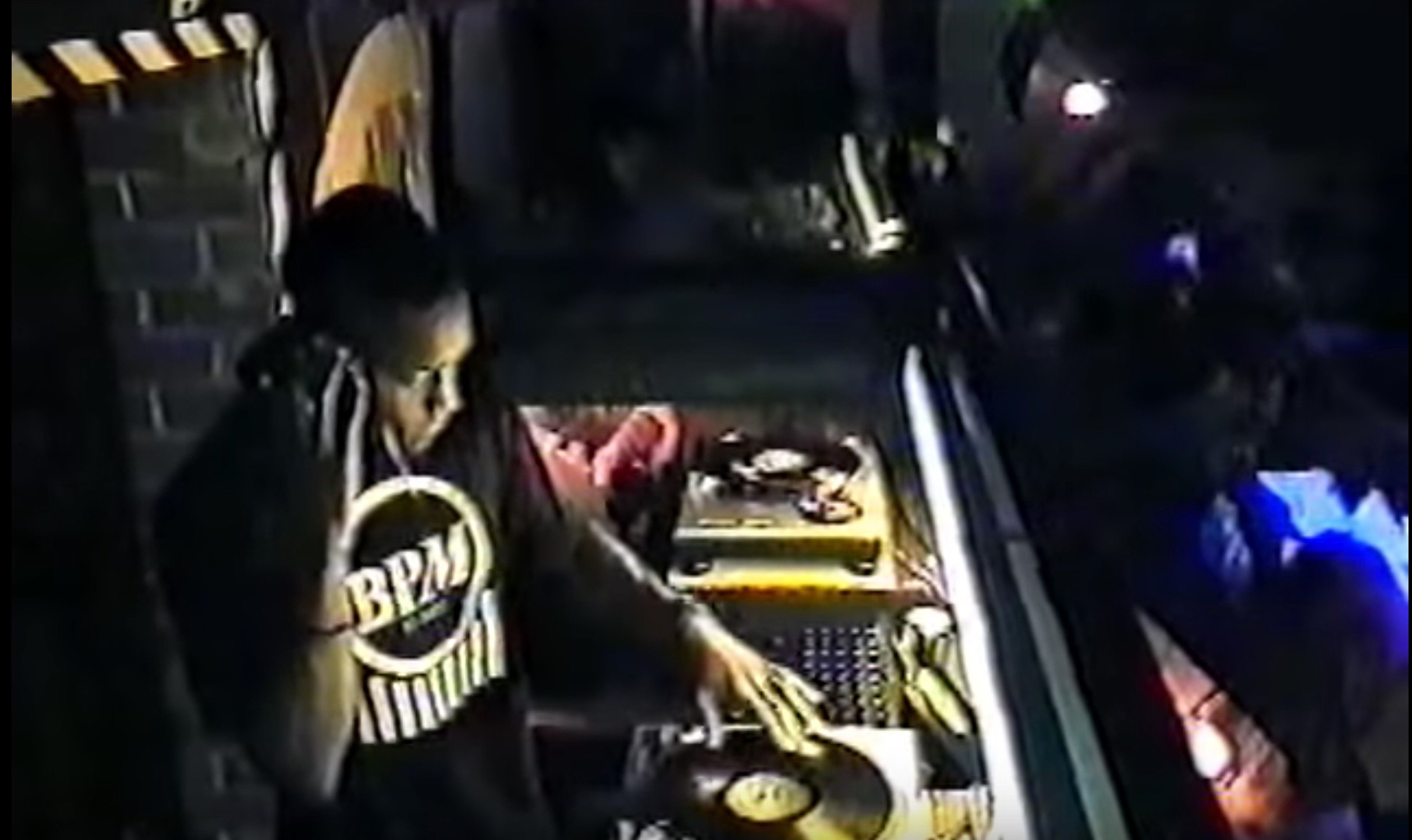
DJ Slipmatt at Ravelation NYE 1996

Raw Footage
11 min

In the early ’90s, one strain of U.K. breakbeat spawned the relatively sophisticated, moody sound of jungle; another decidedly more pop-oriented thread morphed into the brightly-hued music known as happy hardcore. With its 160-bpm breakbeats, chunky piano chords and all-around feel of childlike joy, it was ’93’s Slipmatt-produced “SMD#1” that arguably set the template which brought the sound to the dayglo masses.

Thanks to its cartoonish goofiness, the genre was derided by some (okay, many) at the time—but, the music was undeniably fun and hugely popular, spawning such synapse-tingling tunes as DJ Morph’s “Only Love” and Fat Controller’s “In Complete Darkness.”

This clip of a Slipmatt set, shot at a massive New Year’s rave at Wembley Arena, comes a year or two after happy hardcore’s prime era, but it’ll still illicit a twinge of wistful nostalgia from those who were there.

  • Bruce Tantum

title
x

Extreme BPMs

Flyer for event Fantazia 1992.

Fantazia 1992

A funny thing about raving: The bigger it became, the faster the beats came firing out of the sound system. Track down a few videos from the U.K.’s second summer of love - or even as the ’80s slid into the ’90s, when the scene began to coalesce around various strains of breakbeat -and you’ll find the rhythm tend to chug along in a rather sensible 120–130 BPM range. By the early-’90s era of British mega-raves like Raindance and Fantazia, however, tempos of 140+ BPM seemingly were the norm. Judging from this Fantazia gathering from 1992, the kids wouldn’t have had it any other way. Bruce Tantum
Flyer for event DJ Slipmatt at Ravelation NYE 1996.

DJ Slipmatt at Ravelation NYE 1996

In the early ’90s, one strain of U.K. breakbeat spawned the relatively sophisticated, moody sound of jungle; another decidedly more pop-oriented thread morphed into the brightly-hued music known as happy hardcore. With its 160-bpm breakbeats, chunky piano chords and all-around feel of childlike joy, it was ’93’s Slipmatt-produced “SMD#1” that arguably set the template which brought the sound to the dayglo masses. Thanks to its cartoonish goofiness, the genre was derided by some (okay, many) at the time—but, the music was undeniably fun and hugely popular, spawning such synapse-tingling tunes as DJ Morph’s “Only Love” and Fat Controller’s “In Complete Darkness.” This clip of a Slipmatt set, shot at a massive New Year’s rave at Wembley Arena, comes a year or two after happy hardcore’s prime era, but it’ll still illicit a twinge of wistful nostalgia from those who were there. Bruce Tantum
Flyer for event Kenny Ken: Jungle Soundclash Champion, 16 July, 1994.

Kenny Ken: Jungle Soundclash Champion, 16 July, 1994

If you’re old enough to have been around for jungle’s early days, or perhaps even lucky enough to have experienced it in 1992 at Fabio and Grooverider’s Rage affair, you may remember how alien, even dangerous, the music felt. With its 170-bpm, highly syncopated rhythms (as often than not a sped-up Amen break), rumbling bass lines played over massive sound systems, and general spliffed-out vibe, it was something brand new, feeling like a huge split from the breakbeat that had preceded it. By 1994, jungle’s reach had already extended well beyond its original acolytes, but as this set from one of the sound’s original players demonstrates, its rugged energy had yet to be watered down. Bruce Tantum
Flyer for event Gabber: Thunderdome '96 - Dance Or Die!.

Gabber: Thunderdome '96 - Dance Or Die!

As a Dutch raver once told us, “you haven’t seen a real rave until you’ve experienced 5,000 kids jumping up and down in unison to a gabber track.” It’s hard to deny gabber, a particularly fierce form of hardcore birthed in Rotterdam in the early ’90s, packs a mean wallop. Its overdriven kick drums and in-your-face, hoover-led melodies make it perhaps the least subtle form of dance music known to mankind. There’s something hugely addictive about it, though, and by the mid-’90s, gabber was big business, with parties like the 96 edition of the Thunderdome raves chronicled in this video attracting tens of thousands of partiers. Bruce Tantum
Flyer for event New Dance Show – 1995.

New Dance Show – 1995

Airing on the USA’s first African-American owned station, WGPR-TV 62, from ’88 through ’95, Detroit’s New Dance Show could have been little more than a local, lower-budget version of the much slicker Soul Train, but it had a couple of secret weapons that elevated it into something much, much greater. For one, the regulars—including Jesse the Body, China Doll and In the Mix Betty—are simply amazing. For another, the music was even more mind-blowing—rather than the radio-friendly R&B that made up much of Soul Train’s soundtrack, the New Dance Show featured the more outré likes of Motor City techno, Chicago house, ghetto-tech and, as heard on this clip, jacked-up electro. As host RJ Watkins would say, “Keep it movin', keep it groovin’.” Bruce Tantum
Flyer for event Lisa: Rocket to Your Heart.

Lisa: Rocket to Your Heart

Electronic-music artists were messing about with accelerated tempos long before the rave era—really, who could resist the urge to twist a drum machine’s tempo knob as far as it could go? Hi-NRG was birthed in the late ’70s by producers such as Bobby Orlando and Patrick Cowley, and popularized by singers like Sylvester and Divine; later examples of the genre have an often-deserved reputation for pop overload. This 1983 cut from Lisa R. Fredenthal-Lee is hi-NRG at its sugar-rush giddiest. Bruce Tantum
Flyer for event Doncaster Warehouse 1992.

Doncaster Warehouse 1992

Is this the greatest rave video of all time? It just might be. That’s partially due to the rather loose playlist, which relies heavily on hands-in-the-air piano house while taking detours into hardcore, jungle, stomping hoover material, three-ring-circus techno and lots more. But what makes the recording, spliced together from three separate nights at the still-extant Doncaster Warehouse, really special is the semi-innocent fun the crowd is obviously having; it’s the kind of guileless revelry that rave-centered music could engender better than any other. (Granted, some of that revelry might have been aided by ecstasy, but when in Rome.…) Favourite comment: “After seeing this I realise there still exists a rave-sized hole in my soul that I know I'll never fill.” Bruce Tantum
Flyer for event Tony De Vit at Trade.

Tony De Vit at Trade

By the early ’90s, hard house, along with related genres like hard-NRG and nu-NRG, was a country-wide phenomenon in the UK. Few clubs, however, were as intrinsically connected with hard house as London’s Trade. Hovering at around 150 BPM, the music sometimes paid homage to its distant hi-NRG roots, but was a considerably tougher affair, with a relentless piston-fired propulsion that rarely let up. One of the main proponents of the style was the beloved Trade resident Tony De Vit; the DJ passed away at the height of his powers in 1998, but this video gives a brief glimpse of his high-bpm selections in their native environment.
Flyer for event Venetian Snares.

Venetian Snares

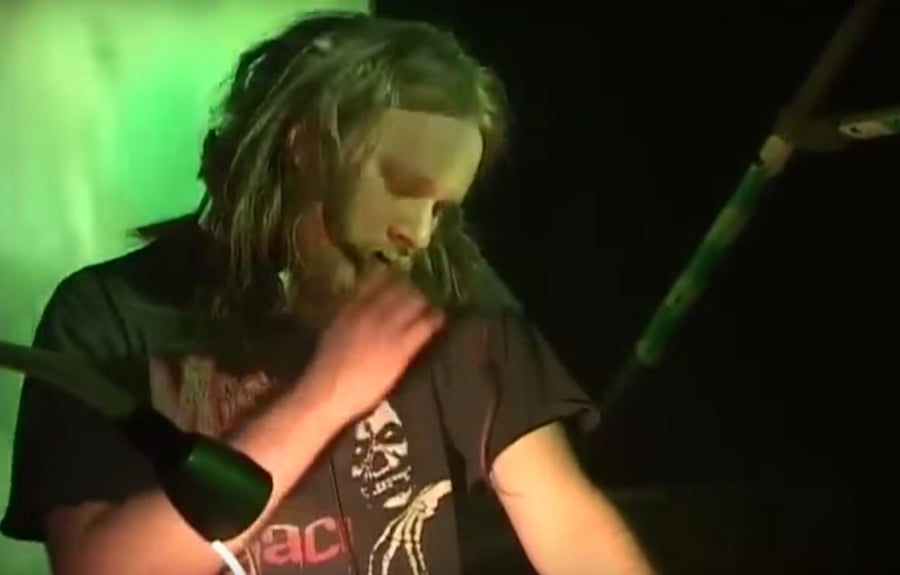
Though plenty of rave-derived material pushed the boundaries of danceable tempos, it still largely conformed to dance music’s rules and traditions. By the mid-’90s, however, there were plenty of artists who aimed to reshape it according to their own whims—and the fractured sounds of drill ’n’ bass, breakcore and the like hit the tracks like an out-of-control freight train on the verge of derailment. Venetian Snares wasn’t the first breakcore producer, but he was one of the best, and even though this mind-blowing DJ set appears to be of relatively recent vintage, it shows that he hasn’t mellowed out one iota.
Flyer for event Speedcore party.

Speedcore party

At what point does high-tempo dance music cease to be dance music at all? Well, for most people, it’s probably around 200 BPM or so—but for a courageous (or foolhardy) few, even that’s not enough. For them, there’s the brutal, 250-BPM-and-up world of speedcore, not to mention even more brutal offshoots such as splittercore and extratone. At this music’s most severe, the beats cease to function as rhythm at all, serving more as a vibratory gateway into a frightening quantum realm; it’s the kind of music that makes the heaviest of metal sound like a kiddie-show theme. As one commenter on this video of unknown provenance states, “That's what you see when you fall into hell.” Bruce Tantum
title
x
title
x
title
x
title
x

title
x
title
x
title
x
title
x
title
x

title
x
title
x
title
x
title
x
title
x

title
x
title
x
title
x
title
x
title
x
title
x
title
x
title
x
title
x

title
x
title
x
title
x
title
x
title
x

title
x
title
x
title
x
title
x
title
x

title
x
title
x
title
x
title
x
title
x

title
x
title
x
title
x
title
x
title
x

title
x
title
x
title
x
title
x
title
x

title
x
title
x
title
x
title
x
title
x

title
x
title
x
title
x
title
x
title
x

Boiler Room

  • About
  • Editorial
  • SoundCloud
  • Instagram
  • YouTube
  • TikTok
  • Facebook
  • Apple Music

Projects

  • Broadcast Lab
  • Energy

Information

  • Brand Partnerships
  • Accessibility
  • Support
  • Careers
  • Privacy Notice
  • Cookie Notice
  • Website Terms Of Use
  • Open Dance Floor Policy
  • Purchase Terms & Conditions

title
x
title
x
title
x
title
x
title
x

title
x
title
x
title
x
title
x
title
x

title
x
title
x
title
x
title
x
title
x

title
x
title
x
title
x
title
x
title
x

Subscribe to our newsletter for updates on film screenings and residencies.

You can opt out anytime. We will treat your information with respect. For more information about our privacy practices please read Boiler Room's Privacy Notice. By clicking above, you agree that we may process your information in accordance with these terms.

Boiler Room

  • About
  • Editorial
  • SoundCloud
  • Instagram
  • YouTube
  • TikTok
  • Facebook
  • Apple Music

Projects

  • Broadcast Lab
  • Energy

Information

  • Brand Partnerships
  • Accessibility
  • Support
  • Careers
  • Privacy Notice
  • Cookie Notice
  • Website Terms Of Use
  • Open Dance Floor Policy
  • Purchase Terms & Conditions
© 2026 BOILER ROOM
© 2026 BOILER ROOM

Subscribe to our newsletter for updates on film screenings and residencies.

You can opt out anytime. We will treat your information with respect. For more information about our privacy practices please read Boiler Room's Privacy Notice. By clicking above, you agree that we may process your information in accordance with these terms.

Boiler Room

  • About
  • Editorial
  • SoundCloud
  • Instagram
  • YouTube
  • TikTok
  • Facebook
  • Apple Music